
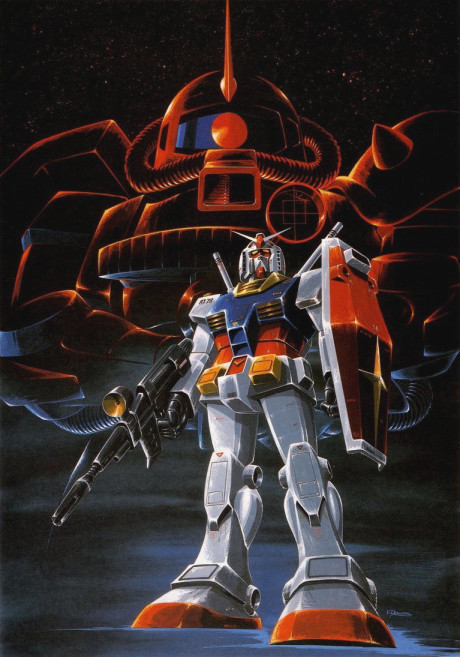
The Eternal Debate: Classic vs. Modern Aesthetics
Should the original 1979 Mobile Suit Gundam series get a complete remake? A recent debate swept through the anime community online, sparked by comments suggesting that the visual quality of the 1979 classic might be holding it back from capturing a larger global audience. While long-time fans cherish the hand-drawn retro charm of Yoshiyuki Tomino’s original masterpiece, newer international fans often find the late-70s animation style difficult to get into.
Renowned anime critic Ryota Fujitsu delved deep into this hot topic, breaking down what it truly means to “remake” or “update” an anime classic, and why taking on such a task is a delicate double-edged sword for studios.
The Remake Paradox: “Identical, Yet Better”
Citing film theorist Thomas Leitch, Fujitsu highlights a fundamental paradox inherent in any remake: audience expectation. Viewers demand that a remake be “faithfully identical to the original,” while simultaneously expecting it to be “noticeably better.” Balancing these two conflicting desires is an immense rhetoric and creative challenge.
When studios approach old classics, the motivations are often commercial risk management—leveraging established IP—yet artistically, it places the new work under extreme scrutiny compared to its predecessor.
Categorizing Anime Remakes
Not all remakes are created equal. In the anime industry, re-visiting older titles generally falls into a few distinct categories:
- Faithful Inheritance: Bringing classic manga or older anime directly to modern screens while maintaining the core spirit and setting (e.g., Urusei Yatsura (2022), Captain Tsubasa (2018), and the upcoming The Rose of Versailles movie).
- Modern Updates: Keeping the core concept but altering details, technology, or thematic focus to fit current cultural standards (e.g., GeGeGe no Kitaro, Lupin the Third).
- Revisions & Remasters: Retouching existing footage, re-recording audio, or replacing selective shots with CGI without changing the core story structure (e.g., Ghost in the Shell 2.0 or the dynamic audio revisions of the classic Gundam movie trilogy).
Could a Full Remake Ever Replace the Original Gundam?
We’ve already seen attempts to re-imagine early Universal Century events through works like Mobile Suit Gundam: The Origin. However, remaking the entire 43-episode 1979 series cut-for-cut with modern 2D or 3D animation remains a daunting prospect for Sunrise (Bandai Namco Filmworks).
While a pristine modern remake might indeed lower the barrier of entry for newcomers worldwide, it risks losing the raw artistic energy and historical significance of the 1970s original. For now, the debate continues to split the community: Is Mobile Suit Gundam a holy grail that should remain untouched, or does it deserve a modern makeover to shine for future generations?
Source: Yahoo News Japan